Origins of Design-Led Operations: Jennifer Davidson Creative
The creative chapter of my career is foundational to my design-led approach to operations. Working first as a model, and later as a photographer and director, I came to understand the power of thoughtful design to shape how people connect, experience, and participate. The work below comes from that chapter and traces how my human-centered creative practice evolved into operational design.
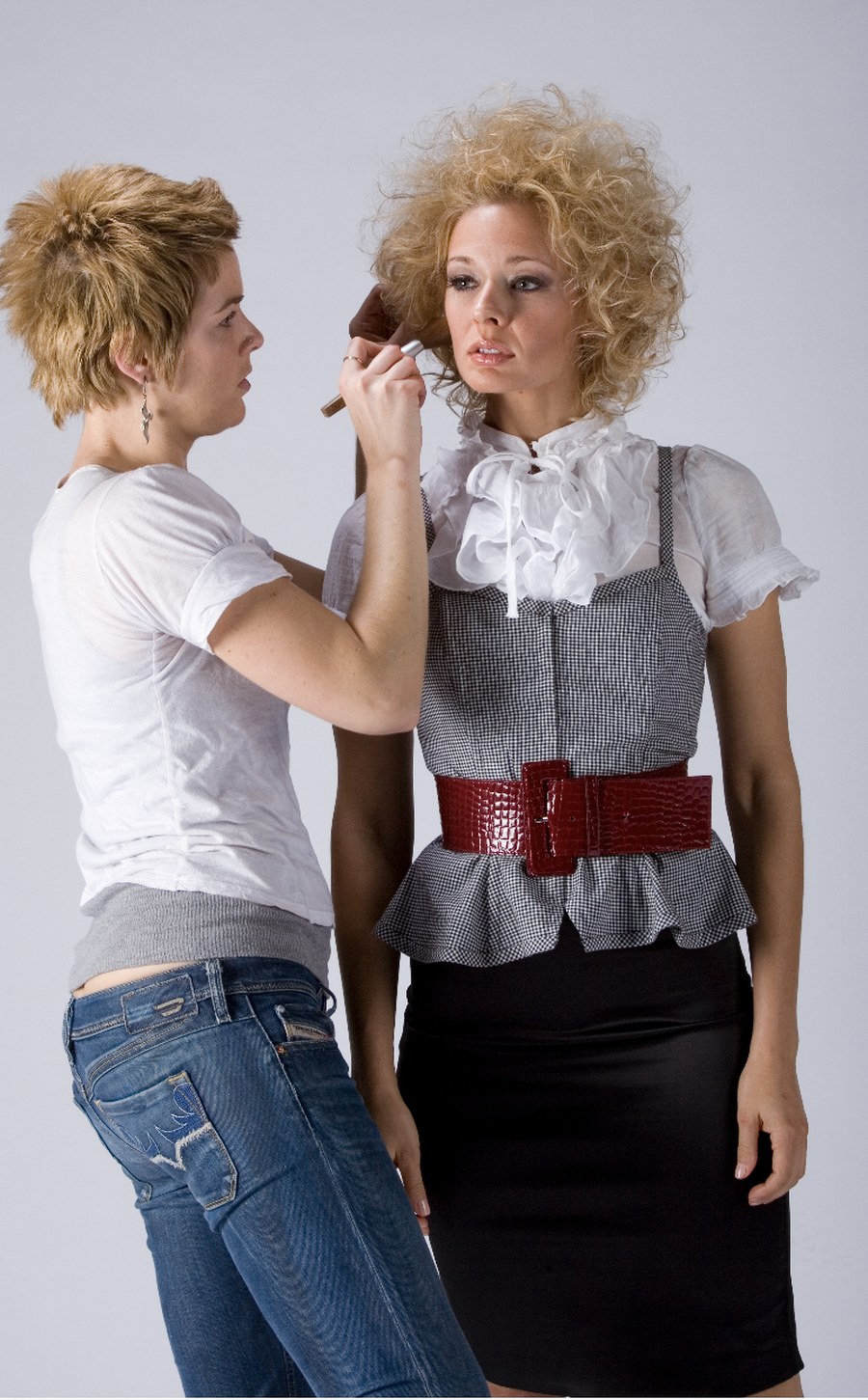
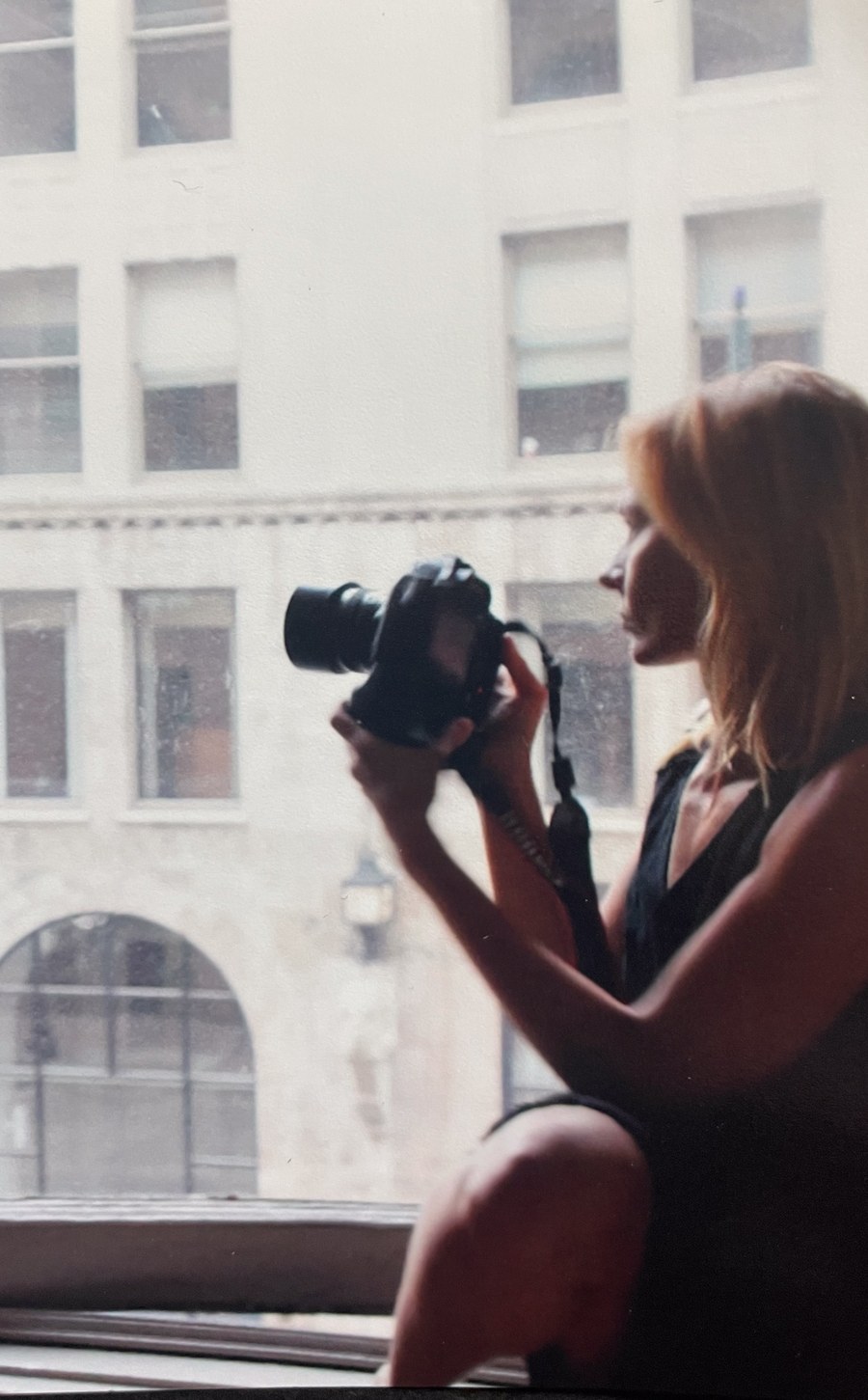
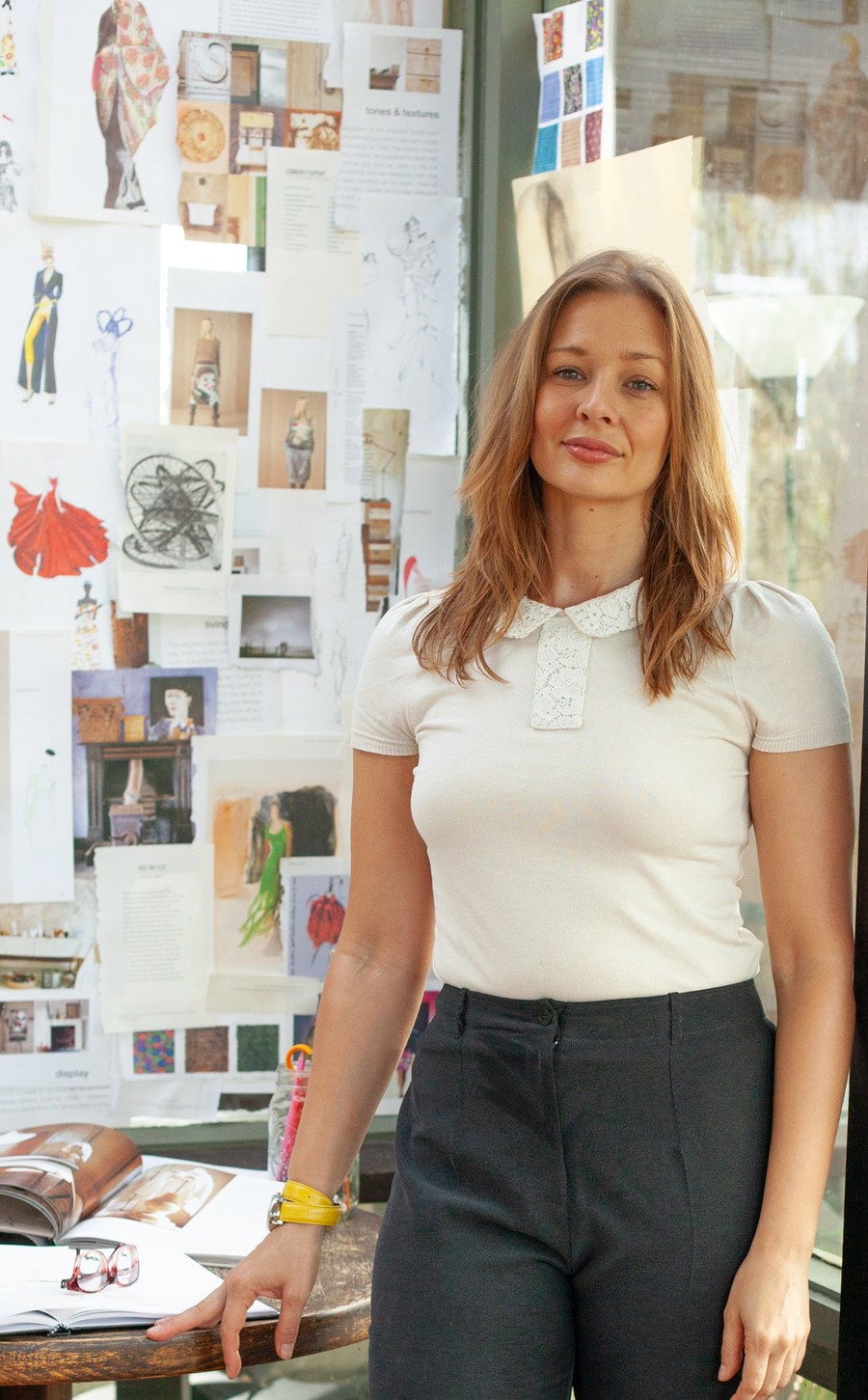
Model: In front of the camera
I began modeling as a teenager and continued working on and off for nearly two decades across runway, editorial, advertising campaigns, television commercials, trade shows, and brand spokesperson work for national and international brands. The work ranged from runway for Saks Fifth Avenue and emerging designers to national department store and catalog campaigns. I also appeared in hospitality campaigns for hotels and resorts across the U.S. and Europe, and in lifestyle and advertising work for brands including Eagle Creek, HP, and Nest. On television, I worked with Lafayette 148 designer Kip Yap Chong.
Modeling was where I first cultivated executive presence: how to enter unfamiliar environments, read a room quickly, and communicate with confidence. I worked under constant scrutiny, judged against criteria that were subjective and rarely spoken, and learned to hold my own while remaining calm, responsive, and fluid. As a model, you often arrived knowing little beyond the client, where to be, and what to bring. Even the context for how your likeness would ultimately be used could remain unclear until the work was underway. You had to get your bearings fast, interpret what was needed, and perform without the benefit of complete information. I also saw early what happens when systems fail but accountability lands on the person in the frame. When a shoot was poorly designed, no one saw a system problem. They saw the model. The disorganization became visible on me.
Being photographed well asks you to trust people you’ve just met in an artificial environment while appearing composed, often when you are tired and uncertain. When I moved behind the camera, I carried that experience with me. I understood intimately the stewardship involved in holding someone else’s image, time, and trust. That meant helping people understand what we were creating and why, and shaping an environment where they could feel safe enough to participate fully and express something real. The difference between telling someone to relax and helping them actually relax was the conditions I created around them.
Photographer: Behind the camera
Moving behind the camera became an apprenticeship in seeing. While still modeling, I trained in graphic design at the Art Institute and learned alongside photographers, designers, and stylists, absorbing the craft through practice as much as study. From 2008 to 2016, I built and led Jennifer Davidson Creative, a photography and design practice through which I completed more than 500 assignments and created over 100,000 images across advertising, editorial, catalog, nonprofit, and documentary work, including assignments for 5280 Magazine and Aspen Peak Magazine. I was an approved photographer for Condé Nast Traveler and Glamour, represented by Tandem Still and Motion in L.A., and published in The New York Times, The Denver Post, American Way, and publications in Berlin and Paris.
As a model I knew what it felt like to move in front of the camera, and as a director that helped me create the trust and ease needed for something authentic to emerge. I built each concept around what the images needed to communicate. Then I selected the talent, assembled the team with clear roles, and anticipated what the day would ask of us. When that groundwork held, there was room for what no one could have planned, and the work often became better than any of us expected.
Film came next. From 2012 to 2014, I collaborated with UK recording artist WRENNE across England and California on four music videos, along with stills and motion for her live performances and album branding. In 2013, Off Center at the Jones, the experimental program of the Denver Center for the Performing Arts, commissioned ten photographs from me that became the basis for Audio Kicks, a sold-out original performance by Third Law Dance Theatre. It was the clearest evidence I’d had that a photograph could set work in motion well beyond the frame it was taken in.
Alongside the commercial work, I sought out documentary projects where photography could show resilience and beauty in the aftermath of tragedy. In post-conflict Northern Uganda, I photographed and interviewed women in the Women’s Global Empowerment Fund’s programs, work that became ExtraOrdinary Beauty, an exhibition at the University of Denver Women’s Center. After the Deepwater Horizon spill, I photographed volunteers cleaning oil-covered pelicans in Venice, Louisiana, and the images ran on CBS4’s evening news. Over the years, I saw that a camera could become a place for someone to be witnessed and to tell their story on their own terms. I later worked alongside therapists, photographing people in the later stages of healing from abuse and using portraiture as a space to explore confidence, agency, and self-expression.
Photography asks you to look past the surface to what is most important and make it seen. Whether I was photographing a campaign, a person, or a place in the middle of profound change, the work began the same way: look closely, understand what matters, and create the conditions that allow it to shine through.
Director: Designing for access
Documentary projects and awareness campaigns became the work that mattered most to me because they gave people space to tell their stories and be seen. I grew less interested in making beautiful images for their own sake and more interested in what design could help people see and do. Creative direction expanded my responsibility from capturing moments to creating the full experience.
The title came a decade after the work began. In 2006, I co-developed and led the Prevent-a-Thon campaign for Darkness to Light, training more than 500 adults a year in child abuse awareness and prevention, achieving the highest participation rate in the country. The campaign was designed to change what people were able to understand and act on, and it set the terms for what followed. In 2008, the year Barack Obama accepted the nomination, I designed and produced six events surrounding the Democratic National Convention for celebrity chef Daniel Young and the Alabama Democratic Party, where my role was to shape the experience of the historic week. Travel taught me the rest. However different the countries and cultures I worked in appeared, people everywhere wanted to be seen, to be heard, and to belong. This shaped how I work more than any single project did, and it led me to accessible design, the practice of designing so that people of every ability can fully participate.
2016 was the year my work converged around accessibility. I became Creative Director at LightHouse for the Blind and Visually Impaired in San Francisco, where I built the organization’s first in-house creative function, leading the rebrand of three divisions as inclusive design systems, and directing campaigns and films that centered blind and visually impaired people as full protagonists in their own stories. The goal was not simply to increase representation, but to show the experience of blindness and visual impairment as both relatable and respected for the skill and ingenuity it takes to navigate a world not designed for you.
Accessibility made explicit something my earlier work had only begun to reveal: design could be coherent and beautiful and still fail if it didn’t work for the people using it. That principle is foundational in every system I have designed since, from operating models to public spaces. In addition to my work in operations in tech, I have been an Access Advisor to the Fine Arts Museums of San Francisco since 2019, advising the de Young and Legion of Honor on physical space and public programming. I also tell the stories of adults with disabilities through portraits and events I photograph for the museums, published in Fine Arts magazine and on the FAMSF website.
Design-Led Operations
My career has taught me that the highest responsibility of leadership is stewardship of the environments that enable people to do their best work. Across industries and organizations, talented people have repeatedly compensated for unclear decisions and fragmented systems, wasting their energy on workarounds instead of the creativity that drives innovation. Symptoms receive disproportionate attention while root causes go unaddressed, and people pay the cost.
What looks like an execution problem is often a design problem.
Today, I design how organizations work at scale. My work expanded from visual storytelling and experiences to designing operating models and systems worthy of the people inside them.
The medium changed; the practice did not.